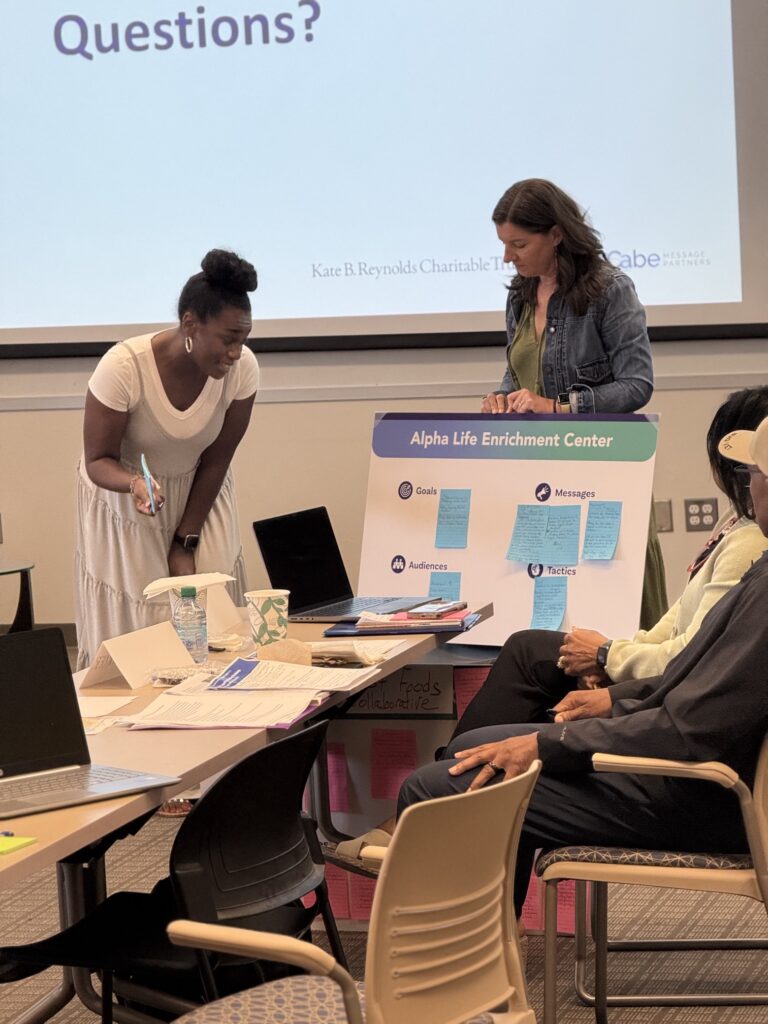
With funding from the Kate B. Reynolds Charitable Trust and BlueCross BlueShield of North Carolina Foundation, Care Share and MDC brought together community-based organizations from across Eastern North Carolina to strengthen their organizational capacity. Over several months, participating organizations built their skills, strengthened relationships, and developed strategies to sustain their work for years to come.
Reducing Barriers for Community Based Organizations
While the cohort focused on helping organizations strengthen their operations, it also highlighted a larger challenge. Smaller community-based organizations often face barriers to accessing the same funding and resources as larger nonprofits.
“As this cohort ends, it’s important for Care Share, as an organization that connects partners across the state, to elevate what we heard from smaller community-based organizations. They may be small, but they are mighty, with deep roots and trusted relationships in their communities. Funders should not mistake size for lack of capacity or impact. Working alongside these organizations, rather than simply providing resources, can make all the difference,” said Renee Harvey, Care Share’s Director of Innovation and Capacity Building.
Small Budgets and Deep Connections
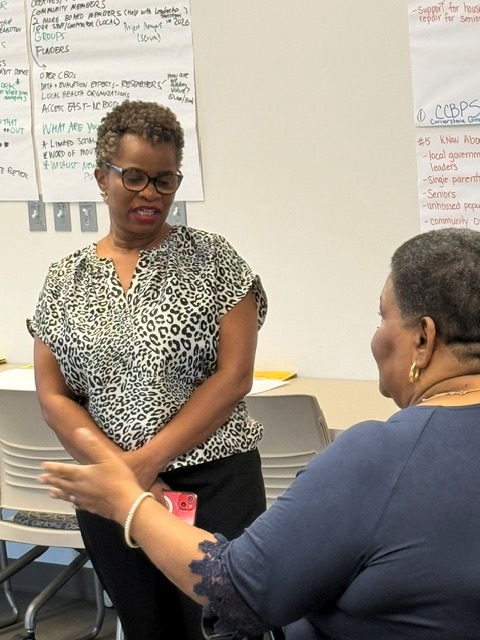
Many CBOs operate with small teams, limited budgets, and leaders who juggle everything from programming to fundraising and administration. Yet, these organizations are often deeply connected to the communities they serve, reaching individuals and families who might otherwise be overlooked.
“They (funders) need to recognize that organizations like mine will not have a million-dollar budget starting out,” said Bobbi Meredith of New Home Owners Organization. “Most times we do have to wear all hats, but that doesn’t make us any less credible or unworthy of accomplishing the mission that we’re out here trying to accomplish.”
That’s one reason initiatives like the Eastern NC CBO Capacity Building Cohort matter. By providing training, individualized coaching, and opportunities to connect with funders, the cohort helps smaller organizations strengthen their operations and better position themselves to pursue funding opportunities.
Recognizing the Unique Value of Small Organizations
But building organizational capacity is only part of the equation. Funders also have an opportunity to recognize the unique value smaller organizations bring to their communities.
“Small grassroots organizations are doing some of the most important work in our communities, often with the fewest resources. They have deep relationships, understand the needs of the people they serve, and have earned a level of trust that cannot be built overnight. Funders must recognize that an organization’s impact isn’t measured by the size of its budget. Investing in smaller community-based organizations means investing directly in the communities they know and serve. When we give these organizations the resources and support, they need to grow, we strengthen entire communities,” Harvey said.
Capacity Building is Not One Size Fits All
As the current phase of the Eastern NC CBO Capacity Building Cohort comes to a close, Care Share and MDC are working alongside participating organizations to explore what comes next.
The experience has offered valuable lessons, not only for the organizations in the cohort but also for the partners supporting them. It reinforces the importance of understanding the challenges smaller organizations face and creating opportunities that respond to their needs.
It also reminds us that capacity building is not one-size-fits-all. Sometimes it’s a new strategic plan or a stronger funding strategy. Other times, it’s a meaningful introduction, a conversation with a funder, or the confidence to tell an organization’s story in a new way.
Ultimately, strengthening community-based organizations requires more than helping them compete for resources. It also means recognizing their value, investing in their potential, and ensuring they have a seat at the table.